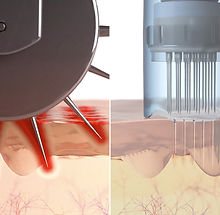
Cellulite Treatment & Reduction in Kuala Lumpur
Cellulite treatment focuses on improving the appearance of dimpled, uneven or “orange-peel” skin commonly seen on the thighs, buttocks, abdomen and arms. At RJ Clinic, cellulite reduction is personalised according to the underlying concern, which may include fibrous tissue, skin laxity, uneven texture or localised fat.
Our doctors may recommend non-invasive, minimally invasive or collagen-stimulating approaches depending on your skin condition and treatment goals. Options available at RJ Clinic include RF-based treatments, microneedling, laser-based cellulite reduction and other body-contouring approaches.
Performed by LCP-certified medical doctors.
Last updated: 20 August, 2026 • Written by RJ Clinic Content Team • Reviewed by Dr. Renee Law
What Is Cellulite?
Cellulite is a common skin texture concern that creates dimpling or an uneven, “cottage cheese” or “orange-peel” appearance. It most commonly develops on the thighs, buttocks, hips and abdomen, although the arms and other areas can also be affected.
Cellulite is not simply caused by excess body fat. It is influenced by the interaction between subcutaneous fat, fibrous connective tissue, skin thickness, collagen structure and skin laxity.
This is why cellulite can also occur in people who are slim or physically active. Weight loss alone may reduce overall body fat but does not necessarily remove the structural factors responsible for cellulite.

Cellulite develops through several interacting factors rather than one single cause.
Fibrous connective tissue bands, sometimes called septa, connect the skin to deeper tissues. When these bands pull downward while underlying fat pushes upward, the skin surface can develop visible depressions.
Other factors that may influence cellulite include:
-
Skin laxity and reduced collagen with ageing
-
Changes in the structure of connective tissue
-
Distribution and size of subcutaneous fat
-
Hormonal influences
-
Genetics
-
Changes in body weight
-
Reduced skin thickness and elasticity
Because cellulite has multiple contributing factors, there is no single treatment that works equally well for everyone.
What Causes Cellulite?

Can Cellulite Be Removed Completely?
There is currently no single cellulite treatment that can guarantee permanent removal of cellulite for every patient.
The goal of cellulite treatment is usually to reduce the visibility of dimpling, improve skin firmness and texture, and create a smoother-looking contour.
Different treatments target different components of cellulite. Some stimulate collagen and tighten the skin, while others may address fibrous tissue or selected areas of laxity.
Results vary according to the severity of cellulite, skin quality, treatment method and individual response. Maintenance treatments may also be recommended for certain non-invasive approaches.
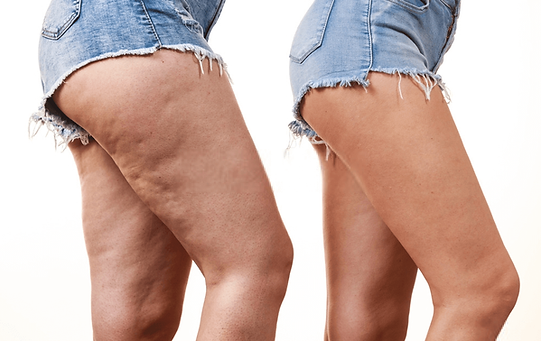
Cellulite Treatment Options at RJ Clinic
There is no universal cellulite treatment that suits every patient. At RJ Clinic, treatment selection is based on the appearance of the cellulite, skin laxity, tissue characteristics, treatment area and the patient's expectations.
Laser Skin Tightening
Laser-based cellulite reduction is a minimally invasive approach in which a small laser probe is introduced beneath the skin under local anaesthesia.
The treatment can address selected fibrous bands beneath the skin while also stimulating collagen production. As collagen remodels over time, the treated area may appear smoother and firmer.
This approach may be considered when cellulite is associated with prominent dimpling and fibrous tethering.
Best suited for: selected patients with more defined cellulite dimples who may benefit from a minimally invasive approach.
Viora RF
Viora uses radiofrequency and other energy modalities to deliver controlled heating to the treated area. The treatment can support collagen remodelling and skin tightening, potentially improving the overall appearance of cellulite.
Because the treatment is delivered externally, it is non-invasive and generally involves little to no downtime. A series of treatments may be recommended depending on the severity of the concern. RJ Clinic currently lists Viora RF under its cellulite reduction treatments.
Best suited for: patients with mild to moderate cellulite and skin laxity who prefer a non-invasive treatment.
Density RF
Density RF uses radiofrequency energy to heat targeted tissue and stimulate collagen remodelling. While it is better known for skin tightening, RF-based collagen stimulation may be considered when skin laxity contributes to the visible appearance of cellulite.
At RJ Clinic, Density RF uses both monopolar and bipolar RF energy and is primarily positioned as a skin tightening treatment.
Best suited for: patients whose cellulite appearance is accompanied by loose or less-firm skin.
Potenza RF Microneedling
Potenza combines microneedling with radiofrequency energy delivered into controlled depths of the skin. The treatment stimulates collagen remodelling and can improve skin firmness and texture.
For body areas with uneven texture or mild laxity, Potenza may be considered as part of an individualised treatment plan. RJ Clinic's Potenza page specifically includes abdominal skin tightening among its applications.
Best suited for: selected patients with skin texture concerns and mild laxity where collagen stimulation may improve the overall surface appearance.
Dermapen
Dermapen-based microneedling may be considered to stimulate collagen production and improve the texture and firmness of selected areas affected by cellulite.
RJ Clinic currently lists Dermapen Cellulite as one of its cellulite reduction treatment options.
Best suited for: selected patients where skin texture and collagen support are important components of the treatment plan.
Renuvion J Plasma
Renuvion J Plasma uses controlled energy to contract and tighten tissue. It may be considered when significant skin laxity contributes to an uneven body contour.
RJ Clinic currently lists Renuvion J Plasma under cellulite reduction as well as other body-contouring concerns.
Best suited for: selected patients with more noticeable skin laxity where a stronger tissue-tightening approach may be appropriate.
Lanluma
Lanluma is a poly-L-lactic acid (PLLA) collagen biostimulator rather than a conventional cellulite treatment. RJ Clinic's current Lanluma page states that it may also be used for areas such as the thighs and can improve skin firmness and soften the appearance of cellulite.
For selected patients, it may be considered when cellulite is accompanied by skin laxity or poor skin quality, particularly when collagen stimulation is part of the treatment objective.
The most appropriate cellulite treatment depends on what is causing the appearance of dimpling and what type of improvement you are looking for.
If your main concern is skin laxity
RF-based treatments such as Density RF or Viora RF may be considered to support skin tightening and collagen remodelling.
If your concern includes uneven skin texture
Potenza RF microneedling or Dermapen may be considered when collagen stimulation and texture improvement are part of the treatment goal.
If you have prominent cellulite dimpling
A minimally invasive cellulite procedure such as laser cellulite reduction may be considered when fibrous tethering is a significant contributor.
If cellulite is associated with more noticeable skin laxity
Renuvion J Plasma or other tightening approaches may be discussed depending on the degree of laxity and overall body contour.
If collagen loss and skin quality are important concerns
A collagen-stimulating approach such as Lanluma may be considered for selected patients and treatment areas.
A doctor assessment is important because cellulite can have several contributing factors, and combining or changing treatment approaches may sometimes provide a more appropriate strategy than relying on one treatment alone.
Which Cellulite Treatment Is Right for You?
Cellulite Treatment vs Fat Reduction
Cellulite and excess body fat are related but not the same concern.
Fat-reduction treatments target localised fat volume, while cellulite treatments focus more on the structural and skin-related factors that create visible dimpling.
For example, a person may have relatively little excess fat but still have noticeable cellulite. Conversely, reducing localised fat does not necessarily eliminate cellulite.
If localised fat is a major part of your concern, your doctor may discuss body-contouring options such as RJ SlimShot or other appropriate treatments. RJ SlimShot is designed for selected localised fat pockets rather than cellulite itself.
This distinction is important because choosing a fat-reduction treatment for a primarily cellulite-related concern may not produce the expected improvement.
Cellulite treatment may be suitable for adults who:
-
Are concerned about visible dimpling or uneven skin texture
-
Have cellulite on the thighs, buttocks, abdomen, arms or other suitable areas
-
Have realistic expectations about the degree of improvement possible
-
Prefer non-surgical or minimally invasive options where appropriate
-
Are medically suitable following assessment by a doctor
Treatment may need to be modified or postponed if there is active skin infection, certain medical conditions, pregnancy or another factor that affects treatment safety.
A consultation allows the doctor to determine whether cellulite, skin laxity, localised fat or a combination of factors is the main concern.
Who Is Suitable for Cellulite Treatment?
What Results Can You Expect from Cellulite Treatment?
The aim of cellulite treatment is to make the treated area appear smoother, firmer and less visibly dimpled.
The degree and timing of improvement vary between patients. Some treatments may produce an early improvement in skin appearance, while collagen-stimulating treatments generally develop progressively over the following weeks or months.
Results depend on:
-
Severity and grade of cellulite
-
Skin elasticity and laxity
-
Treatment method
-
Treatment area
-
Number of sessions
-
Individual response to treatment
-
Maintenance and lifestyle factors
No cellulite treatment should be presented as a guaranteed permanent cure. Some patients may require multiple sessions or maintenance treatments to preserve their improvement.
Recovery depends on the treatment selected.
Non-invasive treatments:
RF-based treatments such as Viora or Density RF generally involve minimal downtime. Temporary redness, warmth or mild swelling may occur.
Microneedling-based treatments:
Potenza or Dermapen may cause temporary redness, swelling or sensitivity following treatment. Recovery depends on treatment intensity and the area treated.
Minimally invasive treatments:
Laser-based cellulite procedures may involve local anaesthesia and a longer recovery period than non-invasive treatments. Compression or specific aftercare may be recommended depending on the procedure.
More intensive tightening procedures:
Treatments such as Renuvion may involve a different recovery process and should be discussed individually with the treating doctor.
Your doctor will explain the expected downtime, aftercare and activity restrictions before treatment.
Cellulite Treatment Recovery & Downtime

Why Choose RJ Clinic for Cellulite Treatment?
Cellulite can have more than one underlying cause, so treatment should not be based solely on the visible dimples.
At RJ Clinic, cellulite treatment is assessed according to factors such as:
-
Cellulite severity and distribution
-
Skin laxity
-
Skin texture
-
Localised fat
-
Treatment area
-
Previous treatments
-
Desired degree of improvement
RJ Clinic's cellulite treatment options include non-invasive, minimally invasive and collagen-stimulating approaches, allowing treatment to be selected according to individual suitability. The clinic states that its aesthetic treatments are performed by LCP-certified medical doctors.


Treatment summary
Procedure Time
45 minutes
Back to work
Immediate
Results
Varies according to treatment taken
Anesthetic
No numb cream needed
Downtime
No Downtime
Results Duration
Maintenance Treatment advised for continuous imrpovement
Frequently Asked Questions


What is the best treatment for cellulite?
There is no single best cellulite treatment for everyone. The appropriate approach depends on the severity of cellulite, skin laxity, tissue structure and whether localised fat is also present. Treatment options may include RF, microneedling, laser-based procedures and other body-contouring approaches.
Can cellulite be removed permanently?
No treatment can guarantee permanent cellulite removal for every patient. Treatment aims to reduce the visibility of cellulite and improve skin smoothness and firmness. Some treatments may require maintenance over time.
Does RF help cellulite?
RF may help improve the appearance of cellulite when skin laxity and reduced firmness contribute to the uneven appearance. Treatments such as Viora RF and other RF-based approaches can stimulate tissue heating and collagen remodelling.
Does Potenza RF help cellulite?
Potenza RF microneedling may be considered for selected patients with body skin texture and laxity concerns. It delivers RF energy through microneedling to stimulate collagen remodelling. Suitability depends on the treatment area and individual assessment.
Is cellulite caused by being overweight?
Not necessarily. Cellulite can occur in people of different body sizes, including people who are slim. Connective tissue structure, skin elasticity, genetics, hormones and subcutaneous fat distribution can all influence its appearance.
Does losing weight get rid of cellulite?
Weight loss may reduce overall body fat but does not necessarily eliminate cellulite because cellulite also involves connective tissue and skin structure.
How many cellulite treatments will I need?
The number of treatments depends on the treatment selected and the severity of the cellulite. Some procedures may be performed as a single treatment, while non-invasive or collagen-stimulating approaches may require a series of sessions.
How long do cellulite treatment results last?
Results vary by treatment and individual. Some improvements can be long-lasting, while non-invasive treatments may require maintenance. Your doctor can advise on the expected duration after assessing your skin and treatment choice.