


Hyperhidrosis Treatment Malaysia – Effective Solutions for Excessive Sweating
RJ Clinic Kuala Lumpur offers effective treatments for hyperhidrosis — a condition that causes excessive sweating even in cool weather or at rest. Our medical team uses advanced procedures such as Botox injections for quick relief and Laser Lipolysis for longer-lasting sweat reduction.
Treatments are tailored for underarms, palms, and feet to restore comfort and confidence. As an LCP-certified aesthetic clinic in Malaysia, RJ Clinic ensures safe, doctor-performed solutions to help you manage hyperhidrosis permanently.
Last updated: 2 July, 2026 • Written by RJ Clinic Content Team • Reviewed by Dr. Renee Law
EXCESSIVE SWEATING/ HYPERHIDROSIS
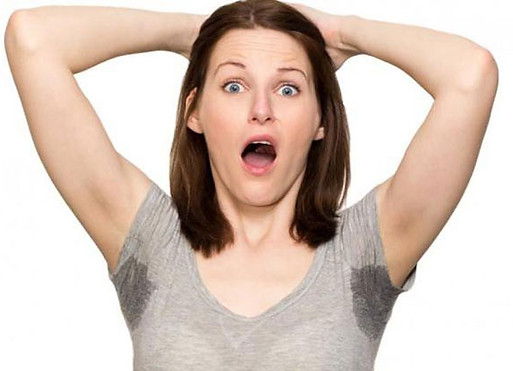
Hyperhidrosis is a medical condition that causes excessive sweating beyond what the body needs to regulate temperature. Unlike normal sweating that occurs during exercise or hot weather, hyperhidrosis can happen even when you are resting or in a cool environment.
The condition may affect:
-
Underarms (axillary hyperhidrosis)
-
Palms of the hands
-
Soles of the feet
-
Face and scalp
-
Other areas of the body
Excessive sweating can interfere with daily activities, affect work performance, damage clothing, make handshakes uncomfortable, and reduce self-confidence. Fortunately, modern medical treatments can effectively reduce sweat production and improve quality of life.
Causes of Hyperhidrosis
Hyperhidrosis can be classified into two main types.
Primary Hyperhidrosis
Primary hyperhidrosis has no identifiable medical cause. It is believed to result from overactive nerves that stimulate the sweat glands.
Common characteristics include:
-
Often starts during childhood or adolescence
-
Usually affects both sides of the body equally
-
Commonly involves the underarms, palms, soles, or face
-
May run in families
Secondary Hyperhidrosis
Secondary hyperhidrosis occurs due to an underlying medical condition or medication.
Possible causes include:
-
Hormonal changes
-
Diabetes
-
Thyroid disorders
-
Certain neurological conditions
-
Infections
-
Obesity
-
Side effects of medications
A medical consultation helps determine the underlying cause before recommending treatment.
Treatments That Can Be Done
Treatment depends on the severity of sweating, affected area, and your medical history.
Botox temporarily blocks the nerve signals that activate sweat glands.
Suitable for:
-
Underarms
-
Palms
-
Soles
Benefits:
-
Minimally invasive
-
Quick procedure
-
Noticeable reduction in sweating
-
Results typically last several months
Laser Treatment
Laser technology targets and reduces sweat glands beneath the skin.
Benefits:
-
Long-lasting improvement
-
Precise treatment
-
Suitable mainly for underarm sweating
-
Minimal downtime
Lifestyle Advice
For mild cases, your doctor may recommend:
-
Clinical-strength antiperspirants
-
Breathable clothing
-
Stress management
-
Good skin hygiene
Treating hyperhidrosis offers both physical and emotional benefits.
Potential benefits include:
-
Significant reduction in excessive sweating
-
Increased confidence in social and professional settings
-
Less sweat stains and body odour
-
Greater comfort during daily activities
-
Improved grip for hands
-
Better quality of life
-
Reduced skin irritation caused by constant moisture
Individual results vary depending on the severity of the condition and treatment chosen.
Benefits of Treatment
Who Is Suitable for This Treatment
This treatment is suitable for patients who:
-
Experience excessive sweating that affects daily life
-
Have persistent sweating despite using antiperspirants
-
Prefer non-surgical treatment
-
Want noticeable improvement with minimal downtime
-
Are medically suitable after doctor consultation
Not suitable for:
-
Patients with unrealistic expectations
-
Individuals with certain medical conditions (doctor assessment required)
-
Patients with active skin infection at the treatment area
-
Pregnant or breastfeeding women (depending on treatment)
-
Those seeking immediate permanent results
A consultation helps determine whether treatment is appropriate for your condition.
❌ "One treatment works for everyone."
Treatment should be personalised according to the severity, affected area, and individual response.
❌ "Cheaper treatments provide the same results."
Different technologies, product quality, and doctor expertise can significantly influence treatment outcomes.
❌ "More treatment means better results."
Appropriate treatment planning and correct dosage are more important than using higher energy or larger amounts.
Successful treatment depends on accurate diagnosis, suitable technology, and experienced medical professionals.
Common Misconceptions About Hyperhidrosis Treatment
What Results Can You Expect?
Most patients experience a gradual improvement after treatment.
Typical timeline:
-
Early improvement: Within 2–7 days (Botox) or 2–4 weeks (Laser)
-
Progressive improvement: 1–3 months
-
Duration of results:
-
Botox: Approximately 4–9 months
-
Laser: Longer-lasting improvement varies between individuals
-
Results depend on:
-
Severity of hyperhidrosis
-
Treatment method
-
Individual response
-
Lifestyle factors
Your doctor will explain realistic expectations during consultation.
Recovery is generally quick.
After treatment:
-
Resume normal daily activities shortly after treatment
-
Avoid strenuous exercise for 24 hours (Botox)
-
Avoid excessive heat such as saunas for 24–48 hours
-
Keep treated areas clean
-
Follow all post-treatment instructions
-
Attend follow-up appointments if recommended
Seek medical advice if you experience persistent swelling, pain, or signs of infection.
Recovery & Aftercare
Frequently Asked Questions


What causes excessive sweating?
Hyperhidrosis may occur without an underlying disease (primary hyperhidrosis) or result from medical conditions such as thyroid disorders or diabetes (secondary hyperhidrosis).
Is hyperhidrosis treatment painful?
Most patients experience only mild discomfort. Numbing cream or cooling techniques may be used for added comfort.
How long does Botox treatment last?
Results typically last around 4–9 months, depending on the individual.
Can laser permanently stop sweating?
Laser treatment may provide long-lasting reduction in sweat production, but individual results vary.
Will I sweat more in other body areas after treatment?
Localised treatments such as Botox or laser generally do not cause increased sweating elsewhere.
Is the treatment safe?
When performed by qualified LCP-certified doctors using appropriate techniques, hyperhidrosis treatments are generally considered safe.
Can I return to work after treatment?
Most patients can resume normal activities on the same day.
How many treatment sessions are needed?
This depends on the treatment type and severity of your condition. Your doctor will recommend a personalised treatment plan.


