


Density RF for Face and Neck: What to Discuss at Your Consultation

Updated: 5 days ago
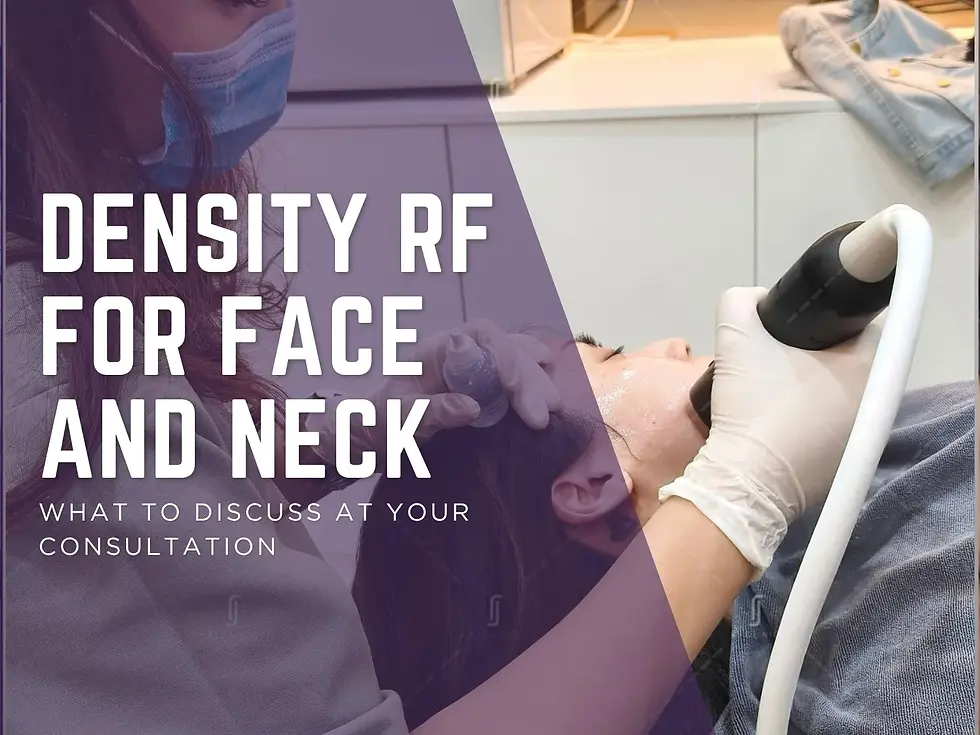
Many patients arrive at our clinic with a specific reservation: they want the firming effects of radiofrequency but fear the intense heat or potential volume loss often associated with legacy monopolar devices. It's a valid concern, as the goal of aesthetic refinement should always be to restore, not deplete, the face's natural architecture. When considering a density rf treatment, you're likely balancing the desire for a sharper jawline against the clinical fear that aggressive energy might melt the very volume you wish to preserve.
We understand the hesitation that comes with choosing between high-intensity ultrasound and radiofrequency, especially when you're worried about unnatural results. We aim to clarify how dual-mode technology addresses these anxieties by combining monopolar and bipolar energy to stimulate a significant increase in newly synthesized collagen while protecting your underlying facial fat. You'll gain a clear clinical framework to choose between this platform, Ultherapy, and microneedling. By understanding the science of real-time impedance monitoring and sequential energy delivery, you can approach your consultation with Dr. Renee or Dr. Cheok with a realistic perspective on comfort, recovery timelines, and the subtle, organic-looking outcomes that define modern aesthetic medicine.
Table of Contents
What Is Density RF and How Does Dual-Mode Energy Tighten Skin?
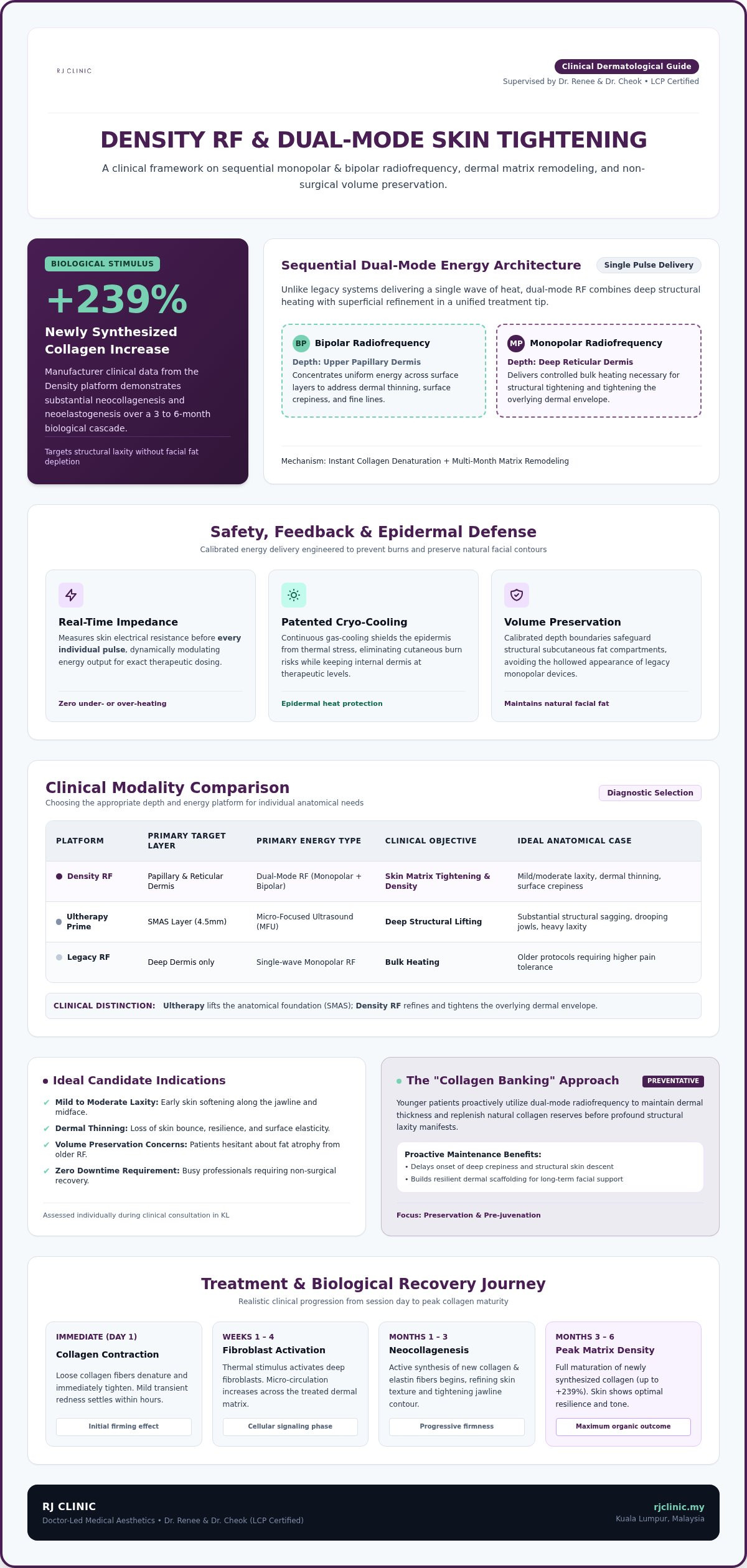
Density RF represents a significant evolution in non-invasive tissue refinement. At its core, it is an aesthetic technique that uses radio frequency (RF) energy to target the structural layers of the skin. Unlike older systems that deliver a single wave of heat, this platform employs a dual-mode mechanism to address dermal laxity. When we apply the treatment tip, controlled thermal energy reaches specific temperatures that cause existing, loose collagen fibers to denature and immediately contract. This provides an initial visible firming effect, but the true transformation happens beneath the surface. Over the following three to six months, this thermal stimulus triggers a biological cascade known as neocollagenesis and neoelastogenesis. Manufacturer data indicates that the Density Noir platform can stimulate up to a 239% increase in newly synthesized collagen, creating a denser, more resilient skin matrix.
The Synergy of Monopolar and Bipolar Radiofrequency
The primary innovation of this system is how it manages energy depth. Monopolar RF travels deeply into the reticular dermis, providing the bulk heating necessary for structural tightening. Simultaneously, bipolar RF concentrates uniform energy across the upper dermis to refine surface texture and fine lines. By delivering these energies sequentially in a single pulse, we can treat multiple structural layers without needing separate sessions. Dual-mode RF precision is defined as the ability to fire both deep-reaching and superficial energy through a single contact point to achieve comprehensive tissue remodeling. This sequential delivery ensures that the energy doesn't just sit on the surface but reaches the depths where structural aging begins.
Real-Time Impedance Monitoring and Cryo-Cooling Safety
Safety in high-energy treatments depends on precision. Every patient's skin offers different levels of electrical resistance, or impedance. The density rf system includes built-in feedback that measures this resistance before every individual pulse. This allows us to ensure that the energy delivered is exactly what your tissue requires, neither too little to be ineffective nor too much to cause harm. To protect the skin's surface, a patented gas-cooling mechanism shields the epidermis from overheating. This cryo-cooling works in tandem with constant contact feedback, which virtually eliminates the risk of cutaneous burns. When Dr. Renee or Dr. Cheok performs the procedure, they calibrate these settings to your specific skin thickness, ensuring the heat stays exactly where it's needed for safety and efficacy.
Density RF vs. Ultherapy Prime and Thermage: Clinical Comparison
Choosing between energy-based treatments often involves understanding where the aging process is most visible in your anatomy. While many patients use the terms "lifting" and "tightening" interchangeably, they represent different clinical objectives. Ultrasound devices like Ultherapy Prime focus on the deep structural layers, whereas density rf targets the dermal matrix to improve skin quality and firmness. It's a distinction between moving the foundation and refining the wallpaper.
Tissue Depth Targeting: Dermal Matrix vs. SMAS Layer
The fundamental difference lies in depth. Ultherapy reaches the Superficial Musculoaponeurotic System (SMAS) layer at 4.5mm, creating precise thermal coagulation points to physically lift the tissue from the inside out. In contrast, radiofrequency provides bulk heating within the dermis. This makes it superior for addressing surface "crepiness," fine texture issues, and dermal thinning. For many, the most effective approach isn't choosing one over the other but understanding the Ultherapy skin lifting principles for structural support and using RF for the overlying skin. Combining these modalities addresses multifaceted facial aging by treating both the lift and the envelope.
Treatment Comfort and Pain Management Differences
Apprehension regarding pain is common, especially for those who remember legacy monopolar RF procedures that often required oral analgesia. Modern density rf technology utilizes advanced impedance-controlled cooling to significantly improve the patient experience. By monitoring tissue resistance in real-time and applying sequential cryo-cooling, the device maintains a comfortable surface temperature while the deeper layers reach therapeutic levels. You'll feel a manageable, deep warmth. This sensation is a necessary clinical signal that the collagen is reaching the temperature required for remodeling, but it shouldn't feel like a struggle to endure.
Facial Fat Preservation and Volume Considerations
A primary concern we hear at the clinic is the fear of facial fat melting, which can lead to an aged, hollowed appearance. It's crucial to consult a provider who understands this risk. According to the FDA safety communication on RF devices, using cleared technology under trained supervision is essential for safety. The Density Noir platform uses precise thermal cutoffs to ensure energy doesn't penetrate into the subcutaneous fat pads. This preservation is vital for patients with slender faces or existing buccal hollowing, where maintaining every millimetre of natural volume is the priority. If you're worried about maintaining your natural contours, a personalized assessment of your neck and jawline laxity can provide the clarity you need before committing to a plan.
Who Is an Ideal Candidate for Density RF Treatment?
Identifying the right candidate for density rf is a diagnostic process that goes beyond simply looking at a patient's age. The primary indication for this dual-mode technology is mild to moderate dermal laxity. We often look for patients who are noticing the first signs of skin "emptiness" or a loss of snap-back elasticity. Clinical observations show that patients with higher skin hydration levels often respond more robustly to thermal stimulation, as water acts as a conductor for the energy. Conversely, if your skin is significantly thinned or severely sun-damaged, we may need to address skin quality through other medical-grade protocols before proceeding with tightening.
We're seeing a significant shift toward preventative care, often called "collagen banking." Patients in their 30s and 40s who haven't yet developed deep sagging are choosing this treatment to proactively maintain tissue density. By stimulating collagen synthesis early, you can effectively slow the visible descent of the lower face. However, achieving these results requires a nuanced understanding of your unique anatomy. An in-person physical assessment by an LCP-certified doctor, such as Dr. Renee or Dr. Cheok, is essential to determine if your skin thickness and underlying structure will yield the desired outcome.
Anatomical Indications: Jowls, Neck Laxity, and Periorbital Crepiness
The lower third of the face and the neck are the most common areas where tissue laxity becomes apparent. We use RF energy to redefine early jawline softening and address mild submental laxity, often referred to as a "double chin" caused by loose skin rather than excess fat. For patients seeking a more contoured profile, we frequently integrate these sessions with targeted face slimming procedures to achieve comprehensive refinement. The delicate periorbital region also benefits significantly, as the controlled energy can tighten crepey skin around the eyes without the risks associated with more aggressive lasers.
Contraindications and Scenarios Requiring Alternative Therapies
Safety remains our absolute priority. There are specific medical conditions where density rf isn't suitable. Absolute contraindications include pregnancy, active dermatitis or infections in the treatment area, and the presence of implanted pacemakers or internal defibrillators. If you have metallic dental implants or facial hardware, we take specific precautions regarding the monopolar return current to ensure your comfort and safety. It's also important to be realistic: if you have severe skin redundant folds or significant structural sagging, non-invasive devices won't replicate the results of a surgical consultation. To ensure you're choosing the most effective path for your anatomy, you should schedule a diagnostic skin assessment with our clinical team in Kuala Lumpur.
The Density RF Treatment Journey: Protocol, Downtime, and Results
Understanding the operational sequence of a density rf session helps alleviate the anxiety often associated with energy-based procedures. The journey begins with a meticulous preparation phase designed to ensure both safety and comfort. We first apply a medical-grade topical numbing cream to the treatment zones, allowing it to take full effect over 30 to 45 minutes. Once the skin is sufficiently desensitized, we remove the cream, cleanse the area, and apply a temporary treatment grid. This grid acts as a visual guide for the physician, ensuring uniform coverage without overlapping pulses excessively. A grounding pad is then placed on your back to complete the electrical circuit required for the monopolar energy phase, followed by the application of a specialized conduction fluid.
While some corporate clinics rely on automated device settings, our approach emphasizes doctor-led parameter customization. Dr. Renee and Dr. Cheok dynamically adjust the energy fluences as they move across different facial zones. For instance, the denser tissue of the jawline requires a different energy profile than the thinner skin of the upper neck. This real-time calibration ensures that we maximize collagen stimulation while protecting delicate structures, prioritizing tissue integrity over rigid shot counts.
What to Expect During the In-Clinic Procedure
A standard full-face and upper neck protocol typically takes 25 to 30 minutes of active clinical passes. During the dual-mode RF pulses, you will experience a deep, momentary warming sensation paired with a crisp, cool blast of gas. This sophisticated cooling system works continuously to shield the epidermis. Once the session concludes, we apply a soothing, post-procedure recovery cream to calm the skin and reduce initial heat retention.
Recovery Parameters and Neocollagenesis Timelines
The post-treatment presentation is remarkably manageable, making this an ideal option for those with demanding schedules. You can expect transient erythema and subtle edema, which generally present as a mild, post-workout flush that resolves within a few hours to two days. Immediate aftercare is straightforward but strict:
Apply a broad-spectrum sunscreen daily to protect the treated skin from UV stress.
Avoid active chemical exfoliants, such as retinols or glycolic acids, for five to seven days.
Maintain optimal skin hydration using gentle, barrier-supporting moisturizers.
The clinical results unfold in two distinct biological phases. You may notice an immediate, subtle firming due to the initial contraction of existing collagen fibers. However, the true structural transformation peaks around the 90-day mark. This is the biological milestone where remodeled type-I collagen matures and the newly synthesized elastin matrix provides enhanced structural support. To maintain these organic-looking outcomes, patients typically consult our team for an annual maintenance session, ensuring a steady, long-term approach to tissue longevity.
Navigating Your Path to Natural Facial Refinement
Choosing a non-invasive treatment requires more than just selecting a device; it requires a partnership with a clinician who understands your unique facial architecture. By integrating dual-mode energy, density rf offers a sophisticated solution for those seeking to restore tissue firmness while preserving natural volume. Whether you're focused on preventative collagen banking or refining early jawline laxity, the success of your journey depends on the nuanced calibration of energy to your specific skin thickness and hydration levels.
At RJ Clinic, every procedure is conducted by LCP-certified aesthetic physicians Dr. Renee and Dr. Cheok. We utilize authentic medical-grade platforms, including Density Noir and Ultherapy Prime, to ensure that every pulse is delivered with precision and safety. Rather than following a standardized shot count, we focus on tailored protocols that prioritize natural facial harmony and long-term dermal health. You deserve a treatment plan as unique as your anatomy.
To begin your journey toward subtle, organic-looking results, Schedule a Clinical Assessment with RJ Clinic today. We look forward to helping you achieve a refined, self-confident aesthetic through meticulous, science-driven care.
Frequently Asked Questions
How many Density RF sessions are typically required to see results?
Most patients achieve their desired results with a single, comprehensive session of density rf. While you might see an immediate glow, the biological remodeling peaks at three to six months. For those with more significant laxity, we might suggest a second session spaced six months apart. We generally recommend an annual maintenance visit to ensure your collagen bank remains topped up as you age naturally.
Is Density RF painful compared to traditional skin tightening treatments?
Density RF is significantly more comfortable than legacy monopolar devices. The system uses a patented gas-cooling mechanism that delivers a burst of cryo-spray before and after every pulse to shield the skin's surface. You'll feel a manageable deep warmth rather than a sharp sting. Most of our patients in Kuala Lumpur find the procedure tolerable with just topical numbing cream, requiring no oral analgesia or significant downtime.
Can Density RF cause unwanted facial fat loss or hollowing?
No, density rf is designed to tighten the skin without causing subcutaneous fat atrophy. The device uses real-time impedance monitoring to ensure energy stays within the dermal layers. Dr. Renee and Dr. Cheok carefully calibrate the depth of energy delivery to protect your natural facial contours. This makes it a safe option for patients who already have slender faces and want to avoid the hollowed look associated with poorly targeted energy.
What is the primary difference between Density RF and Potenza microneedling?
The primary difference lies in the delivery method. Potenza is a microneedling RF treatment that uses tiny needles to deliver energy directly into the tissue, making it excellent for acne scars and deep texture. Density is a completely non-invasive, needle-free procedure that uses bulk heating to tighten larger areas of loose skin. While Potenza focuses on surface refinement, Density excels at structural firming of the dermal matrix across the face and neck.
How soon after a Density RF session can I return to work?
You can typically return to your professional and social activities immediately after the procedure. Most patients experience only a mild, sunburnt flush or subtle swelling that usually resolves within a few hours. There are no needles or incisions, so there's no risk of bruising or scabbing. We simply advise you to apply a broad-spectrum sunscreen and avoid intense heat, such as saunas or heavy gym sessions, for the first 24 to 48 hours.
Can I combine Density RF with dermal fillers or botulinum toxin?
Yes, combining energy devices with injectables is a standard protocol for achieving natural facial balance. However, timing is critical. We usually perform density rf before dermal fillers or wait at least four weeks after filler injections to avoid affecting the product's longevity. Botox can often be administered on the same day as RF. During your consultation in Mont Kiara, we'll design a sequenced plan that ensures each treatment complements the other perfectly.


Comments